Hard borehole water is defined as underground water with high levels of dissolved ions primarily Calcium and magnesium causing negative impacts on home essentials, health risks and environmental impacts, Hardness of water is often expressed as bicarbonates(CaCo3) measured in mg/L or ppm
causes of hard borehole water
• Drilling deeper boreholes experience mineral-rich aquifers
•Water table and mineral content varies with seasons
• The underlying rock formation in the area can leach minerals into the groundwater increasing hardness
Side effects of hard borehole water
•Home appliances and detergents: hard water can cause mineral deposits on pipes, water heaters, water pumps thus reducing efficiency and potentially causing corrosion ,using hard water consumes lot of soap.
•Health issues: hard borehole water harbor pathogens like bacteria that causes gastrointestinal problems, and also bathing with hard water can cause dry skin with dull and brittle hair due to high levels of mineral ions which sometimes causes tooth discoloration as well.
Environmental risk: hard borehole water especially rich in sulfates alters soil pH causing soil to become acidity with decreased plant growth and productivity.
Hard borehole water solutions
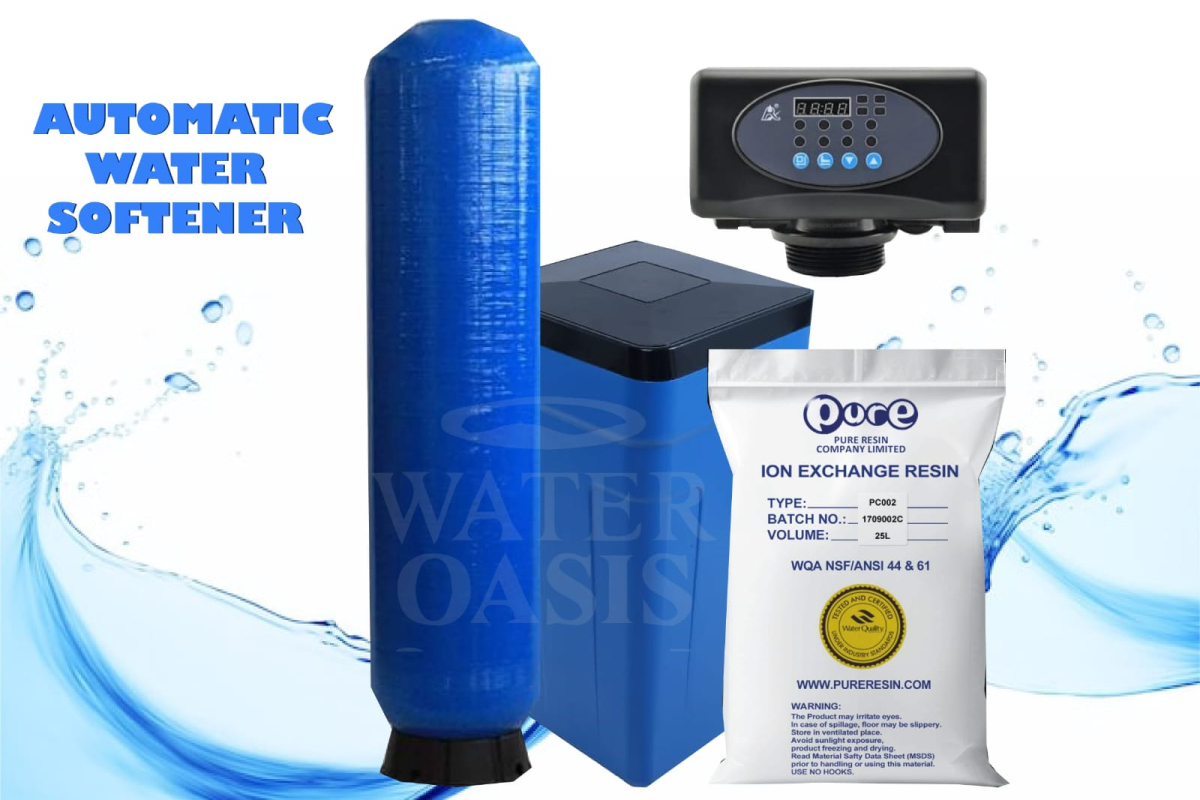
•Water softeners: refers to water separation technology that uses cation resin to exchange calcium and magnesium ions with sodium ions for production of soft water.
•Hard water conditioners: are devices that are connected within water systems to alter hard water minerals from scaling up using electromagnetic fields.
•Antiscalant: a chemical dosing that binds together hard water minerals from scale formation
•Stubborn hard borehole water with salinity requires RO systems designed with water softeners and water sterilizers.
Shocking Secrets Behind Hard Borehole Water
23rd May, 2025